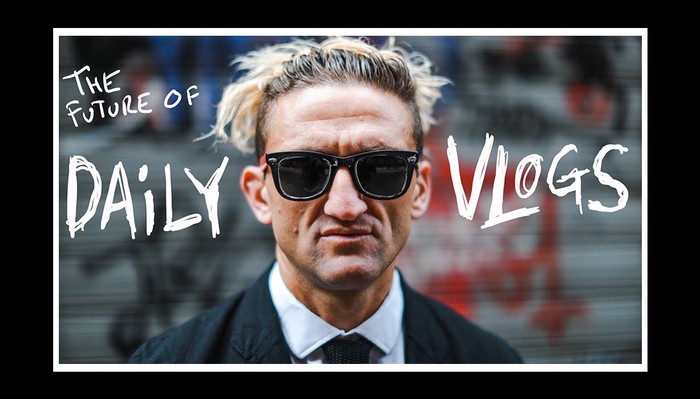
Casey Neistat is an enigma created by pop culture in the age of YouTube. A high school dropout, he struggled for years to break into the film industry, until he eventually decided to pursue YouTube instead. Neistat has repeatedly mentioned in his daily vlogs on YouTube that this decision came about because YouTube looked like the future, and the right platform to support the kind of storytelling he wanted to pursue.
For years now, Neistat has been pumping out a new video every single day on his YouTube channel to over 10 million subscribers, recording everything from travel stories to meet-ups with celebrities the likes of Will Smith. Millions of people around the world watch his videos every day, and Neistat is estimated to make up to $1.5 million a year. Casey Neistat has become famous simply by recording his daily life and putting it on the Internet.

That said, can “vlogs” really be cultural artifacts, things that are culturally significant, things we care about? I think they can. For the sake of consistency, let’s continue with the Casey Neistat example, drawing off of the five steps of Meredith Davis’ Message Cycle.
- Creation
This one is pretty straight forward. In order for something to be a “cultural artifact”, it needs to be created in the first place. How appropriate then that YouTubers actively refer to themselves as “creators”. Casey Neistat records, edits, and produces his own videos every single day. That is an insane amount of work, especially considering the guy has a regular day job like everyone else that he has to work around.
The same goes for many other mainstream YouTubers (though some, like Canadian Lilly Singh, have transformed their YouTube channel into a complete brand and business). So, vlogs definitely check off the “creation” step.
2. Reproduction
Are Casey’s vlogs “reproduced”? In a sense, yes (we’re talking about legally here, of course). Casey certainly creates more vlogs on a regular basis, so in that way they are reproduced. The idea and message of them is also reproduced, though, in the videos and blog posts made by Neistat’s fans all over the world.
People have even put together hours upon hours of background music from his videos into “mixtapes”. So it sounds like the Casey Neistat vlogs can check off this box as well.
3. Circulation
Are Neistat’s vlogs “circulated”? YES. The whole concept of being a YouTuber and making vlogs to begin with relies on their being spread and shared through the Internet. Some of Casey’s material has even gone viral over the years, as he’s made vlogs as commercials for Nike and gotten videos about certain social issues reported on in newspapers and TV news stations.
4. Perception/Interpretation
When your career hinges on posting videos of your life on the Internet, you’re going to get a lot of “feedback” about it from other people on the Internet. On a daily basis, fans (and “trolls”) respond to Neistat’s vlogs through the comments section on YouTube, Twitter, and other social media (like I’m doing right now, actually).
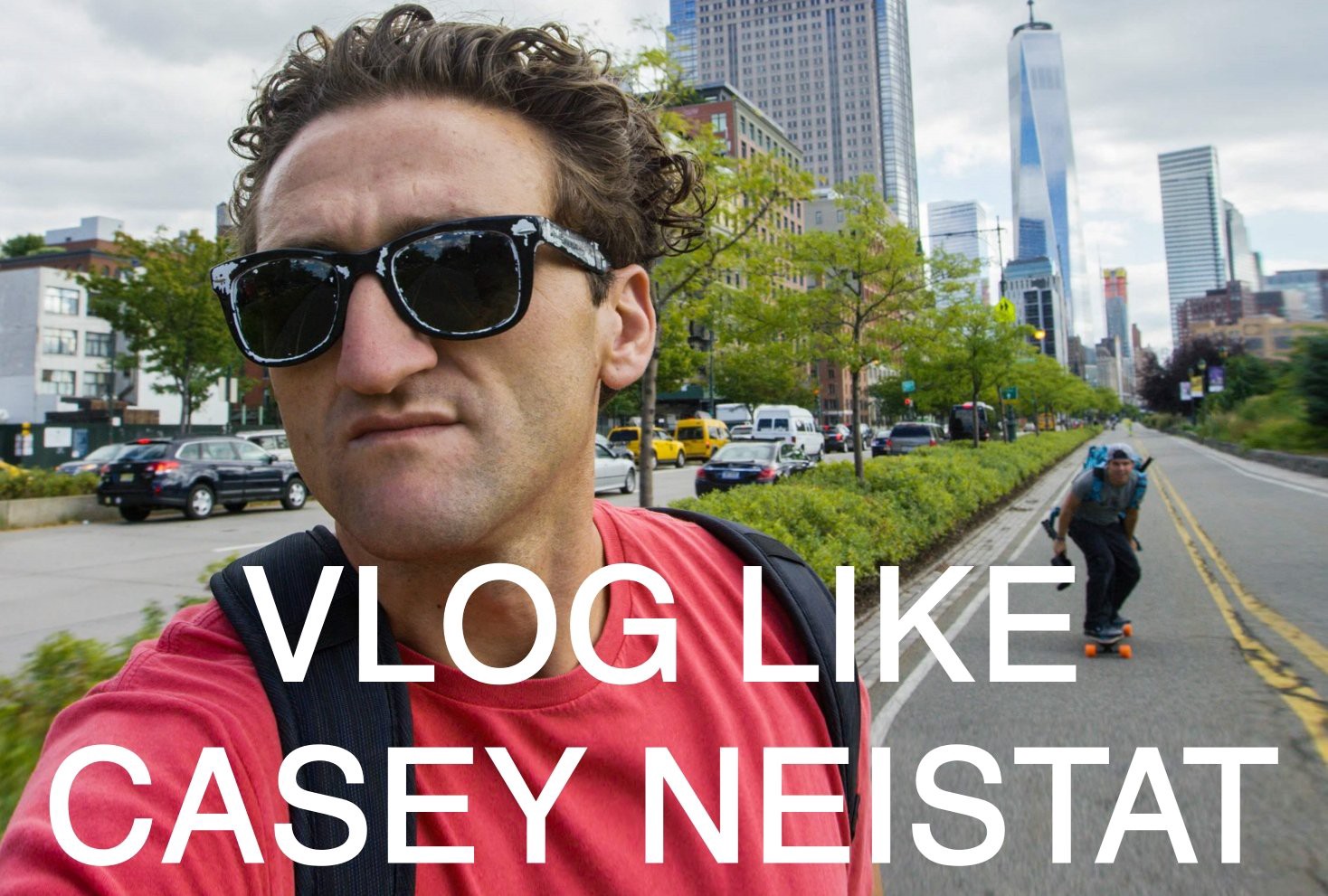
They even post other YouTube videos in response to his YouTube videos. You can find everything on YouTube from “Casey Neistat… EXPOSED!” to “How to Vlog Like Casey Neistat”. It’s pretty easy to tell that these vlogs are getting perceived and interpreted.
5. Consumption
Lastly, are Casey Neistat’s vlogs consumed? Another definitive “yes”. Since Neistat launched his YouTube channel in 2010, his videos have raked in over 2.5 billion views, landing each individual video with an average of 2 million views. Every day.
Interestingly, the Casey Neistat vlogs haven’t just completed this “Message Cycle” once — they’ve completed it at least twice, through countless channels attempting to reproduce Neistat’s style of storytelling. If you Google “Casey Neistat vlog”, it won’t be hard to find videos instructing you “How to Vlog Like Casey Neistat” or blogs advertising the same thing in text format or Casey Neistat music compilations or even videos of people copying Neistat’s lifestyle.
This isn’t a fluke case, either. And Casey Neistat isn’t even the biggest hit who’s ever blown up YouTube. As I mentioned earlier, Canadian comedy YouTuber Lilly Singh has made a living off of YouTube with her videos, even going on a world tour, making a movie about her life, writing a book about her lifestyle, and selling official merchandise through her own website.
These Internet celebrities are like the new Hollywood. They’re self-empowered creators who built a completely new medium where there wasn’t one before. So, while the film critics may sit back and scoff at the cute ten-minute daily “vlogs”, it is difficult to argue that they can’t be real cultural artifacts — because they already are.
*This article was written as part of an assignment for COMM 110 Principles of Media, originally published on Medium here.
 STEVIE BONIFIELD
Leave a Reply